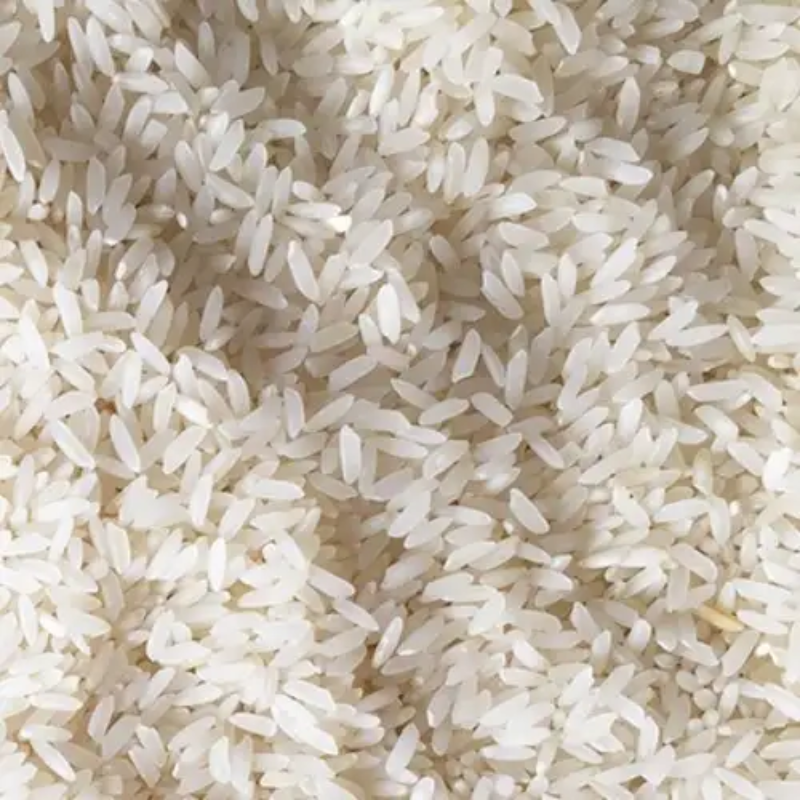

Sona rice, commonly known as Sona Masoori (or Sona Mahsuri), is a popular medium-grain rice variety cultivated mainly in the southern Indian states of Andhra Pradesh, Telangana, and Karnataka. It is a hybrid of two rice varieties—Sona and Mahsuri—developed by Indian agricultural research institutions. Known for its lightweight texture, aromatic nature, and quick cooking time, Sona rice is a household staple in many Indian kitchens.
Sona Masoori rice is softer and more delicate than long-grain varieties like Basmati. When cooked, it becomes fluffy and slightly sticky, making it perfect for dishes like plain rice, pongal, lemon rice, tamarind rice, and South Indian meals. It is less fragrant than Basmati but preferred for its lightness and digestibility.
Nutritionally, Sona rice is rich in carbohydrates and low in fat, with a moderate glycemic index. The brown (unpolished) version offers more fiber and nutrients compared to the white (polished) variant. Due to its easily digestible nature, it is often recommended for children, elderly people, and those recovering from illness.
Sona rice strikes a balance between taste, texture, and nutrition, making it a versatile and economical choice for daily consumption across Indian households.